
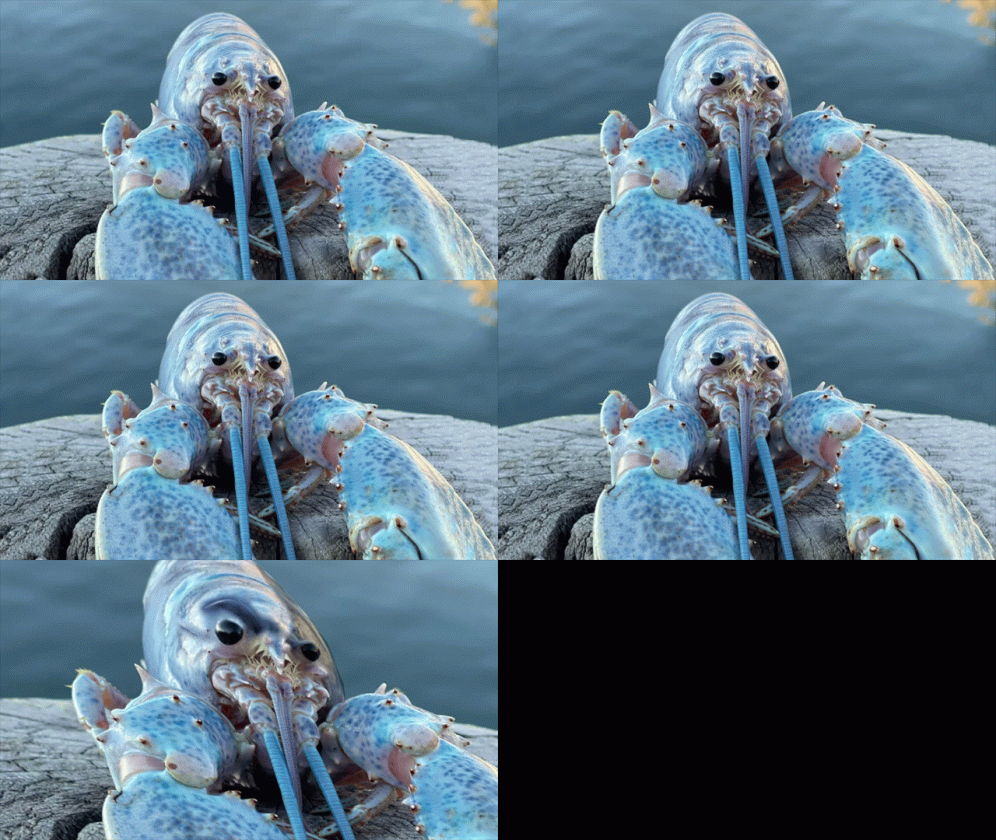
WHAT ARE BLUE LOBSTERS?
Blue lobsters are a unique and rare color variant of the common American lobster (Homarus americanus). They get their distinctive blue coloration from a genetic mutation that causes an overproduction of a certain protein. This protein affects the way pigments are produced and distributed in the lobster’s shell, resulting in the blue hue. Blue lobsters are a natural occurrence but are highly uncommon, with only about 1 in every 2 million lobsters exhibiting this coloration.
7 FASCINATING FACTS ABOUT BLUE LOBSTERS
1. GENETIC MUTATION
Blue lobsters are the result of a rare genetic mutation that leads to the overproduction of a certain protein, causing their distinct blue coloration.
2. EXTREMELY RARE
It’s estimated that only about 1 in every 2 million lobsters exhibits the blue coloration caused by the genetic mutation.
3. VARIETY OF SHADES
Blue lobsters can exhibit a range of shades of blue, from pale blue to a deep, vibrant hue, depending on the specific genetic makeup.
4. MOLTING CHANGES
When blue lobsters molt, they initially appear black due to the soft, new shell underneath. As the shell hardens, it gradually turns blue.
5. DIET INFLUENCE
The intensity of a blue lobster’s color can be influenced by its diet. Consuming certain pigments in their diet can enhance their blue coloration.
6. AGE AND SIZE
Blue lobsters can grow to be quite large, similar to their common lobster counterparts. The size and age of a blue lobster can contribute to the vibrancy of its blue color.
7. CONSERVATION SYMBOL
Blue lobsters have been used as symbols of conservation efforts, emphasizing the importance of protecting marine biodiversity and genetic diversity.


